A Beginners Guide to Blowing Up Capacitors
For beginners just learning electronics, this is a great fun project to learn about what can happen to capacitors. This project can be slightly dangerous, but it teaches you what can happen in extreme situations to capacitors. Its also just a cool project to do. I did it on my own, and took a video of it:
What You Need:
-Electrolytic Capacitors: Its best to use a small low uF and low voltage capacitor. The capacitor I used was .1uF and 10 volts, which worked perfectly. I would recommend using a capacitor that can take less the 10 volts and less then 1uF. Other ranges might work too, but it might be harder to do.

-Two leads to connect to the capacitor: The best leads would be leads with alligator clips, but i used plain old wires. They work well to, it is just a bit of a pain to connect them to the capacitors if they don't have alligator clips.
These would work great:Alligator Clip Leads

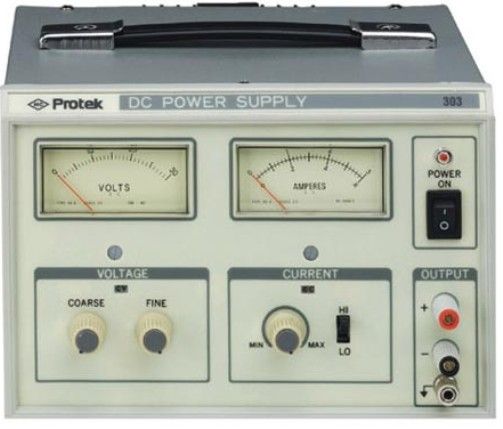

How To Do It
Step 1: Connect the leads to both sides of the capacitors. Connect one lead to one lead of the capacitor, and the other lead to the other side of the capacitor.

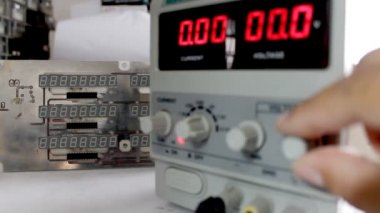
Step 4: Watch it explode!! It should first start crackling or smoking, then it should explode with a satisfying pop and amount of smoke. If it doesn't blow up, try switching the capacitor leads around. If that still doesn't work, get a different capacitor.


0 comments:
Post a Comment